Table of Contents
1. Introduction

The launch of the iPhone Air, the slimmest iPhone ever at just 5.6 mm, created global buzz not only because of its design but also due to one bold move: it has no SIM card slot. Apple has made this phone eSIM-only, meaning it relies completely on digital SIM technology.
This raises the big question: what is eSIM? what is eSIM card? what is eSIM in iPhone?
In this article, we’ll explore everything you need to know about eSIM technology, its pros and cons, its impact on Apple’s iPhones, and how it affects users in both India and the US.
2. Describe the SIM card.
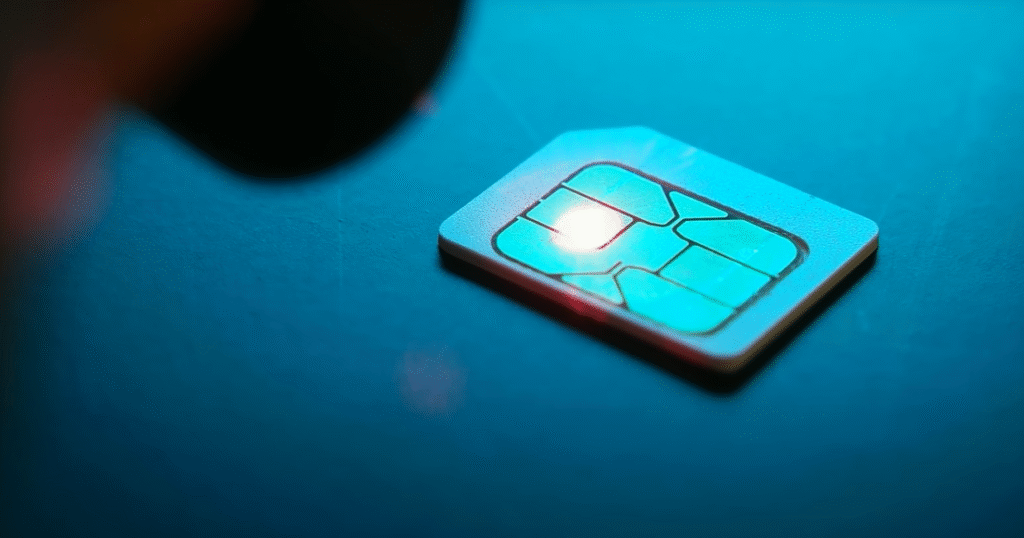
The little plastic chip with golden connections that houses your mobile phone data is called a SIM card (Subscriber Identity Module). Usually, to connect to a mobile network for internet, SMS, and phone calls, you put this card into your phone.
Full-size SIM cards gave way to Micro SIMs, which were made popular by the iPhone 4, and then to Nano SIMs, which are found in the majority of contemporary phones.
Nearly all smartphones now use Nano SIMs, but eSIM technology is quickly replacing them.
3. What is eSIM?
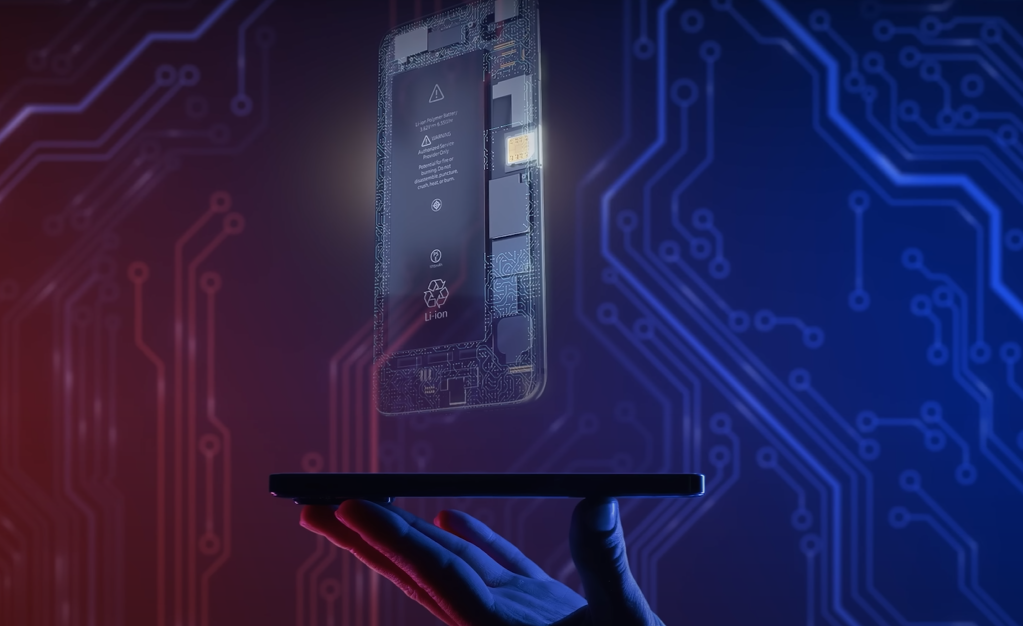
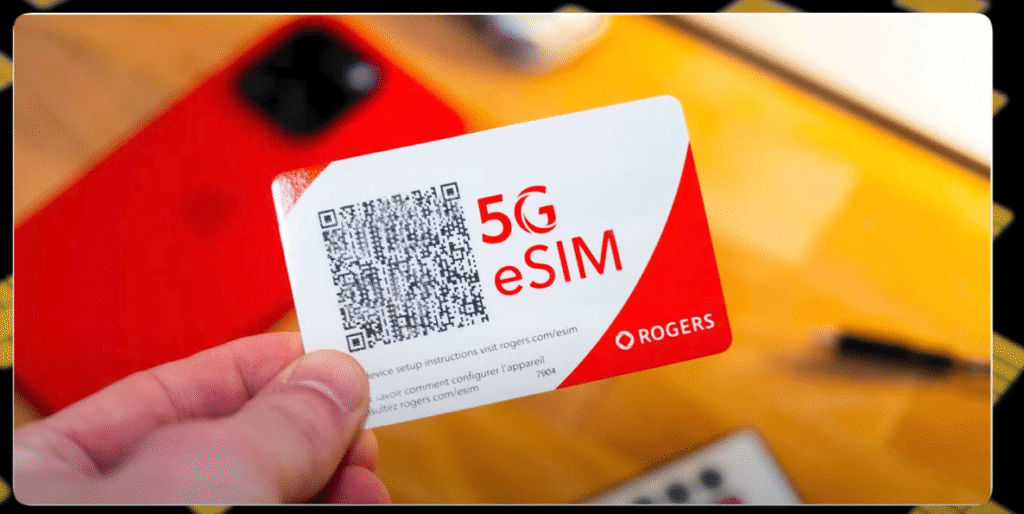
A digital SIM that is built into your phone’s motherboard is called an embedded SIM, or eSIM. Your carrier can remotely activate your number without requiring you to physically insert a conventional SIM card by using a digital profile or QR code.
To put it simply, you do not need to carry or swap actual SIM cards, you can download your number and plan directly to your phone, and you do not need a SIM tray.
As a result, many consumers are curious about what an eSIM card is. There is not a physical SIM card; instead, it is a virtual one that is stored on your phone.
4. How Does eSIM Work?
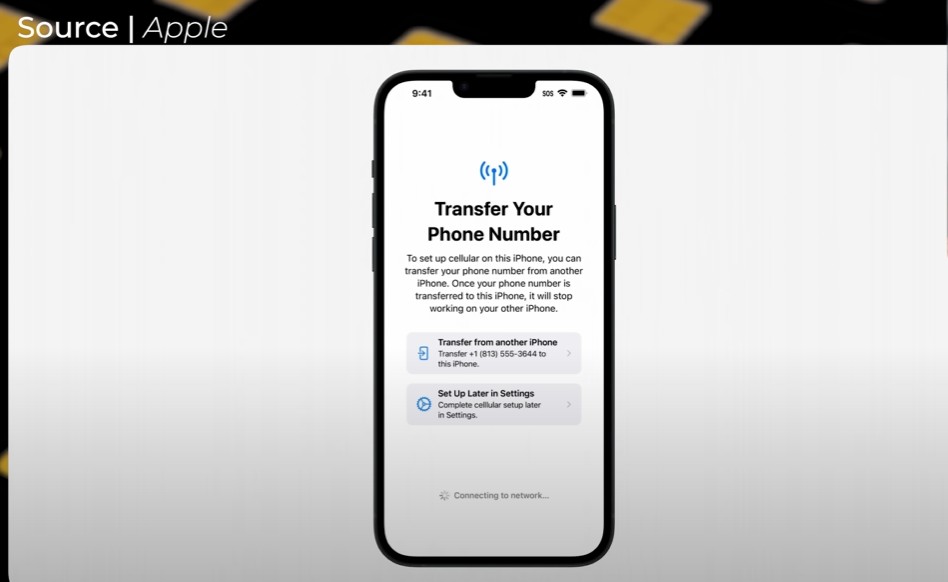
- An eSIM profile is provided by your carrier (such as Airtel, Jio, AT&T, Verizon, etc.).
- You either follow activation instructions or scan a QR code.
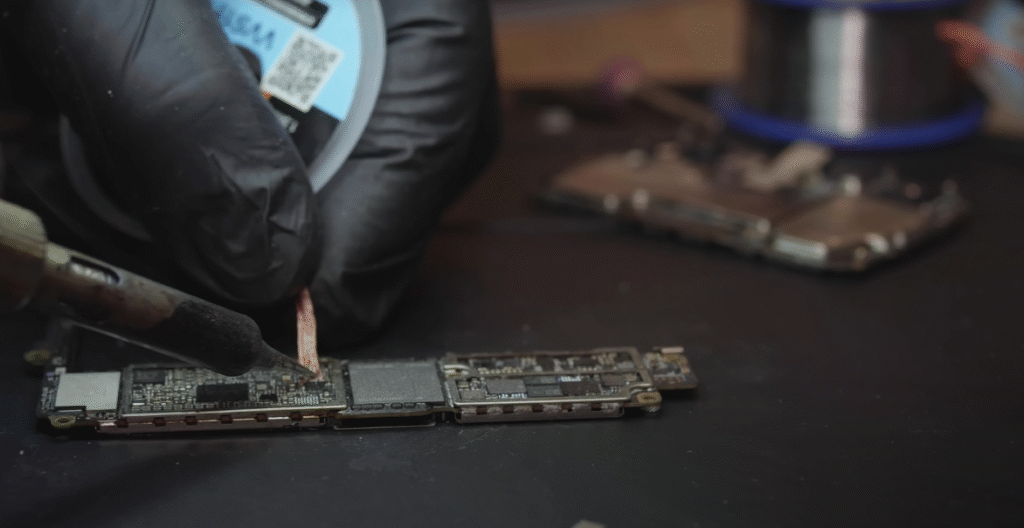
- This profile is stored in the phone’s soldered eSIM chip on the motherboard.
- Without taking out a real SIM, you can swap between several eSIM profiles.
5. Evolution of SIM to eSIM
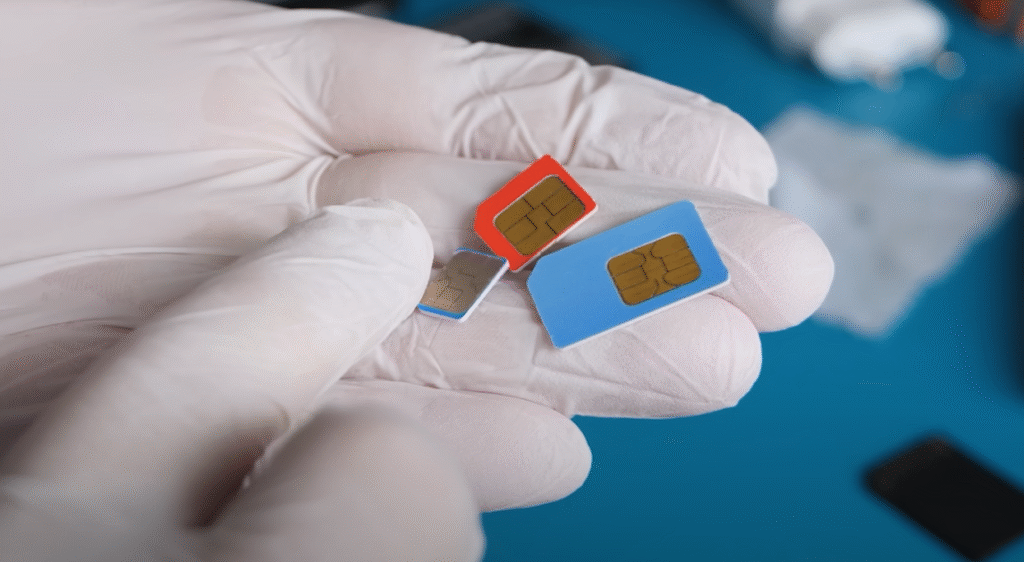
- 1990s: Full-size SIM – large plastic cards.
- 2003–2010: Micro SIM – introduced with iPhone 4.
- 2012: Nano SIM – became the standard in most modern smartphones.
- 2016 onwards: eSIM – first seen in wearables (Apple Watch, Samsung Galaxy Watch), now mainstream in iPhones and premium Android phones.
6. Advantages of eSIM Technology
(a) Convenience
- No need to carry, insert, or misplace SIM cards.
- Just scan a QR code and activate your plan instantly.
(b) Multiple Numbers in One Device
- Store multiple eSIM profiles (personal, business, international).
- Easily switch between them in settings.
- Perfect for frequent travelers.
(c) Space Saving and Slimmer Phones
- Removing the SIM tray frees up space for larger batteries or advanced hardware.
- Example: The iPhone Air used the saved space to make the phone slimmer and improve battery placement.
(d) Durability and Water Resistance
- No SIM slot = fewer openings in the phone.
- Better protection against dust and water.
(e) Enhanced Security
- Thieves can’t remove an eSIM like a physical SIM.
- Makes it easier to track a stolen phone.
(f) Future-Proofing
- Just like memory cards disappeared (replaced by cloud storage), physical SIMs are also moving towards extinction.
- eSIM is expected to become the universal standard in the coming years.
7. Disadvantages of eSIM
- Phone damage issue – If your phone is broken, you can’t just remove the SIM and use it elsewhere. You’ll need carrier assistance.
- Battery dead problem – If your phone dies, you can’t quickly move your SIM to another phone in emergencies.
However, these issues are manageable and are reducing as carriers improve eSIM transfer processes.
8. What is eSIM in iPhone? Apple’s Journey
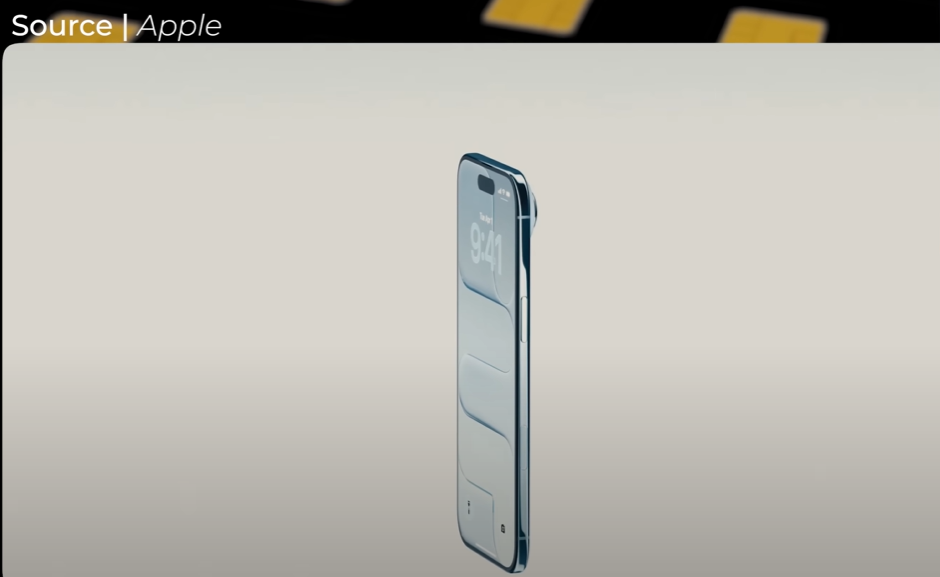
- iPhone XS / XR (2018): First iPhones with eSIM support (dual SIM: 1 physical + 1 eSIM).
- iPhone 14 (US models): eSIM-only, no physical SIM slot.
- iPhone 15 & 16: Expanded eSIM support globally.
- iPhone 17 and iPhone Air: Some models worldwide are now eSIM-only.
This shows Apple’s clear direction: the future of iPhones is completely eSIM-based.
9. Which Phones Support eSIM?
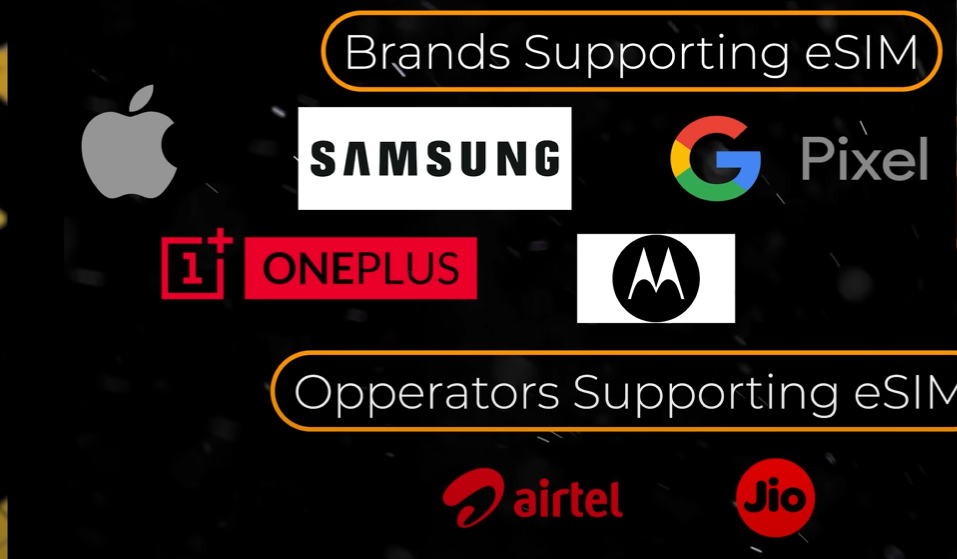
- Apple iPhones (XS and newer).
- Samsung Galaxy S, Z Fold, Z Flip, Note series.
- Google Pixel (Pixel 3 onwards).
- Motorola, OnePlus, Oppo, Huawei premium devices.
- Smartwatches like Apple Watch, Samsung Galaxy Watch, Google Pixel Watch.
10. eSIM in India – Airtel, Jio, Vi
- Airtel & Jio fully support eSIM for iPhones and premium Android phones.
- Vi (Vodafone Idea) also supports eSIM but with limited rollout.
- Activation is done via QR codes or email request.
👉 Airtel eSIM activation guide
👉 Jio eSIM support
11. eSIM in the US – AT&T, Verizon, T-Mobile
- AT&T, Verizon, and T-Mobile are pioneers in eSIM adoption.
- Since iPhone 14, Apple ships eSIM-only models in the US.
- US carriers make switching numbers easier via apps or online accounts.
12. eSIM for International Travel
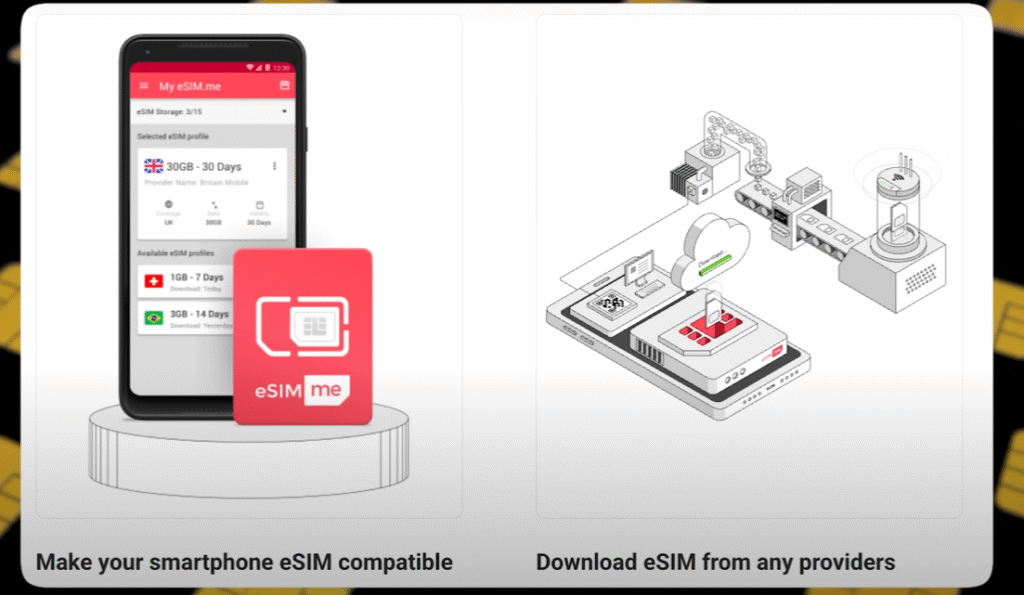
- No need to buy local SIM cards at airports.
- Apps like Airalo, Nomad eSIM, and Holafly let you buy international data packs instantly.
- Just scan the QR code → get internet immediately.
👉 Airalo Global eSIMs
👉 Holafly eSIMs
13. eSIM vs Physical SIM
| Feature | Physical SIM | eSIM |
| Form | Plastic card | Digital profile |
| Switching Phones | Remove & insert | Requires reactivation |
| Multiple Numbers | Limited | Store many, toggle easily |
| Security | Can be removed by thief | Cannot be removed |
| Space in Phone | Requires SIM tray | Saves space |
14. eSIM Security Benefits
- Cannot be removed by thieves.
- Phone remains connected until battery dies.
- Supports remote locking & tracking more effectively.
15. The Future of eSIM
- By 2030, most premium phones are expected to be eSIM-only.
- IoT devices, smartwatches, laptops, and even cars are adopting eSIM.
- Apple’s bold move ensures faster global adoption.
16. How to Activate eSIM in iPhone
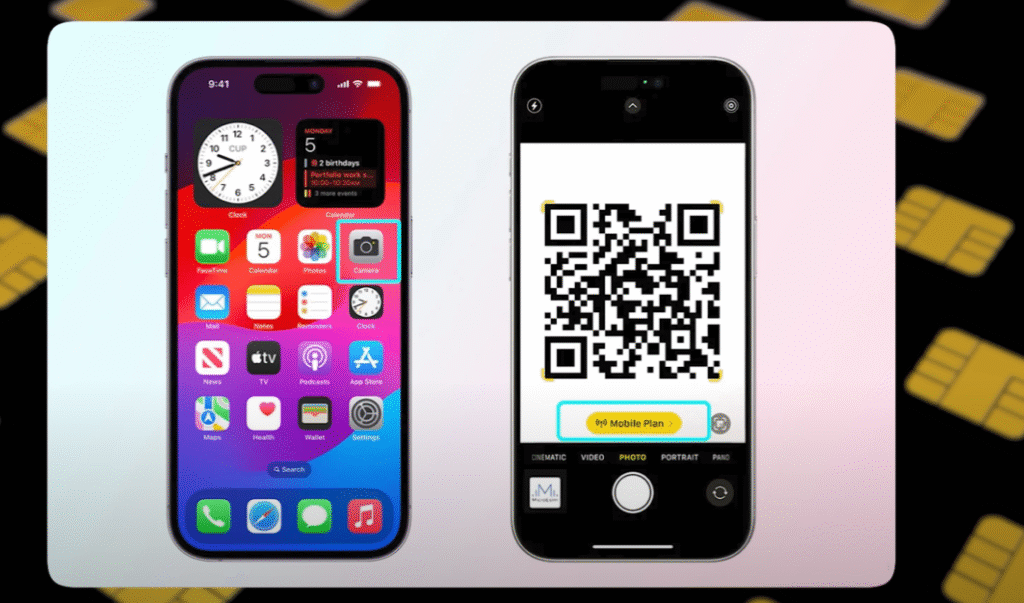
1. Select Add Cellular Plan under Settings → Cellular/Mobile Data.
2. Scan the QR code that your carrier sent you.
3. The plan is immediately downloaded.
4. Numbers can be designated as Primary, Secondary, Business, Travel, and so on.
17. FAQs
Q1: What is eSIM?
👉 eSIM is an embedded digital SIM built into your phone’s motherboard.
Q2: What is eSIM card?
👉 Technically, there is no card. It’s a virtual version of your SIM profile.
Q3: What is eSIM in iPhone?
👉 Apple iPhones (XS onwards) support eSIM, and recent models like iPhone 14/15/16/17 (in some markets) are eSIM-only.
Q4: Can I use eSIM in India?
👉 Yes, Airtel, Jio, and Vi support eSIM for iPhones and select Android phones.
Q5: Can I use eSIM in the US?
👉 Yes, AT&T, Verizon, and T-Mobile fully support it.
18. Conclusion – Why eSIM is the Future
The shift from physical SIM to eSIM technology is as revolutionary as moving from wired headphones to wireless earbuds.
- It saves space in devices.
- Provides better durability and security.
- Offers unmatched convenience for travelers.
- Apple’s iPhone models are leading this change globally.
If you’re wondering what is eSIM, what is eSIM card, what is eSIM in iPhone, the answer is simple: it’s the future of mobile connectivity, both in India and the US.
Recent Posts
- Alienware Aurora 16x: Best Gaming Laptop for Gamers
- Best TV Under 20000 in India 2025 – Top 5 Smart & 4K Options Reviewed
- Asus ExpertBook P1, P3, and P5 Series Review: The Complete Guide to Durability, Performance, and Value
- Best Home Theater Under 5000 in India (2025): Complete Buyer’s Guide
- iPhone Air 17 Review: Design, Features, Price & Launch Date
[…] What is eSIM? A Comprehensive Guide to eSIM Technology […]
[…] What is eSIM? A Comprehensive Guide to eSIM Technology […]